
Virtual Event
- This event has passed.
Home-Enabling Supports (HES) (noon session)
Virtual Event
April 21 @ 12:00 pm – 1:30 pm
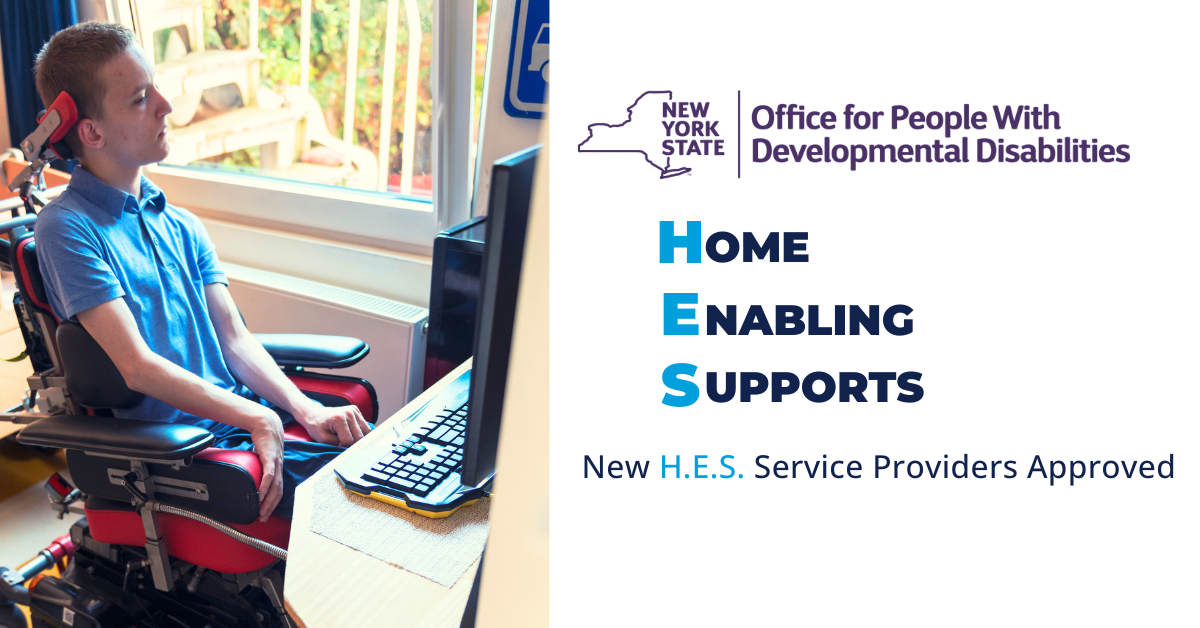
April Virtual Learning Session: Home-Enabling Supports (HES)
Tuesday, April 21, 2026, at 12 p.m.
Presenters: Tracy Pikar and Ronak Parikh
Tracy Pickar has more than two decades of experience in the Intellectual and Developmental Disabilities field. She is the Vice President of Family Support Services at ADAPT Community Network , where she became a part of the team over four years ago. Possessing a Bachelor’s Degree in Anthropology and Political Science from Washington University in St. Louis, Pickar also holds a Master’s of Social Work from the University of Michigan. In the capacity of Vice President of Family Support Services, she assumes responsibility for overseeing all Family Services, which encompass Community Habilitation, Doorways to Independence, Family Reimbursement, Housing Assistance Services, Housing Subsidy, and Project Connect. Her involvement extends beyond ADAPT, as Pickar holds the role of Past Chair for the Lifespan Care Committee at the American Academy of Cerebral Palsy and Developmental Medicine (AACPDM).
As the Senior Vice President of Community and Business Development for close to three years, Ronak Parikh focuses on developing new programs and services to better meet the needs of the people supported by ADAPT, as well as exploring and pursuing new ventures and establishing new partnerships to help ensure ADAPT’s future as a leader in the field. Prior to joining ADAPT, Ronak provided advisory and policy and management consulting services for over 14 years to not-for-profit and for-profit clients, including hospitals and health systems, primary care providers, long-term care providers, behavioral health providers, intellectual and developmental disability service providers, child welfare providers, managed care organizations, health care technology companies, and investment firms.
Description:
Home Enabling Supports (HES) help people with intellectual and/or developmental disabilities live safely and more independently at home. The program uses person‑centered technology—like smart devices, remote health check‑ins, and monitoring tools—to support daily living without always needing staff on‑site. HES focuses on increasing independence, improving safety, and helping people stay connected and supported in their own homes.
Who would benefit most from attending:
Members, families and caregivers, care managers, direct support staff, clinicians
What they will learn:
- How HES uses technology—such as smart home devices, adaptive switches, and communication tools—to support safety and independence at home.
- What types of remote supports are available, including health assessments and coordination from trained clinicians.
- Who is eligible for HES, including the OPWDD and HCBS Waiver requirements and the need to live in a non‑certified residence.
- How HES can reduce the need for in‑person staff, while still ensuring people receive the help they need through technology‑based supports.
One person is attending Home-Enabling Supports (HES) (noon session)
Who's coming?
One person is attending Home-Enabling Supports (HES) (noon session)